
Snan Calendar
Explore the important bathing dates, rituals and spiritual significance of the Nashik–Trimbakeshwar Kumbh Mela.
Shahi Snan I (Royal Bath)
Padmini Shahi Snan on the auspicious day of Simhastha Kumbh commencement.
16 August 2027
Ram Kund & Trimbakeshwar
Major Snan Schedule
Shahi Snan I (Royal Bath)
Highly AuspiciousSimhastha Parva — the most sacred bathing day for Sadhus and pilgrims alike.
Shahi Snan II
Royal BathAnteyaya Snan — the concluding royal procession and sacred dip.
Main Pavoram Snan
SacredDedicated to the Seven Sages, a day of purification and penance.
Snan Gallery & Significance
Explore the spiritual importance, rituals and traditions associated with each sacred Snan.
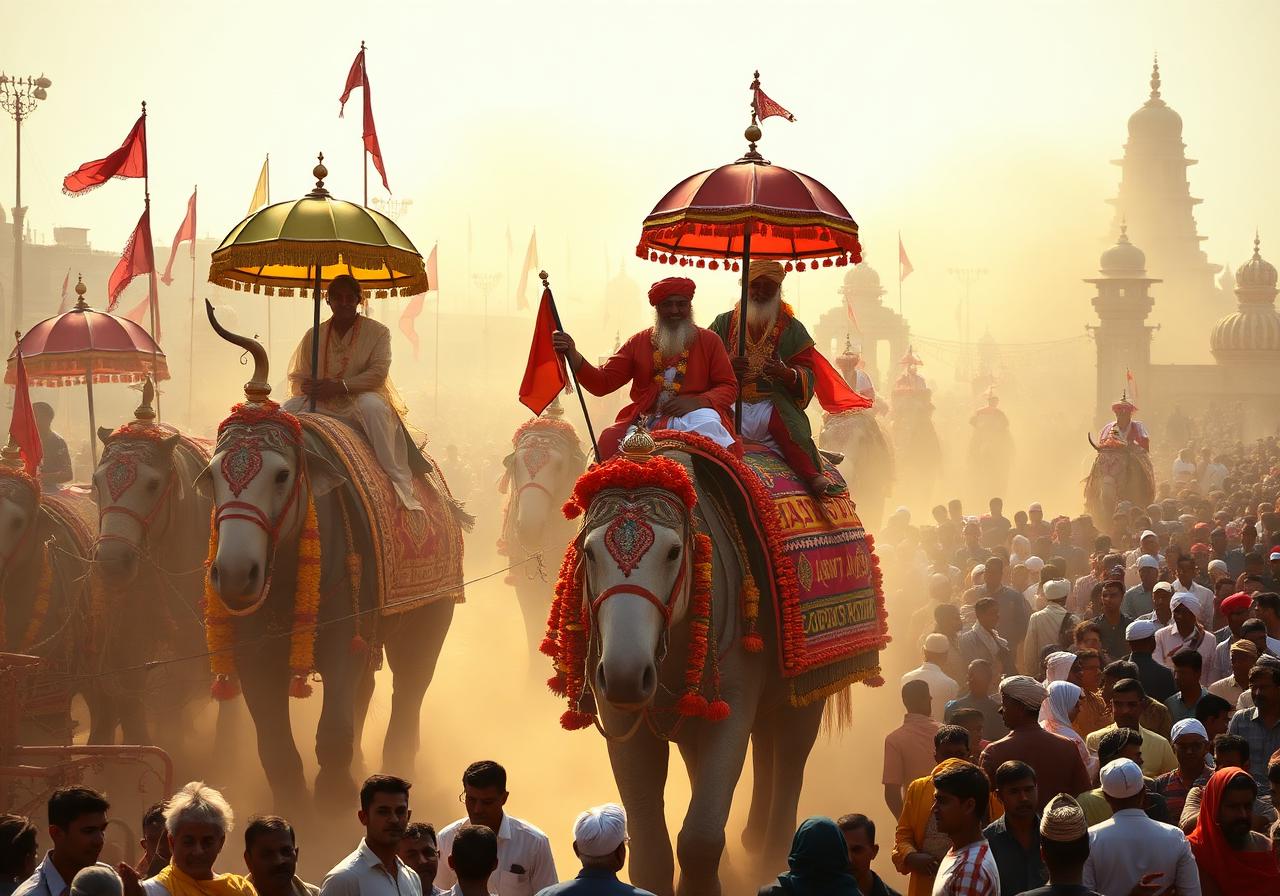
Shahi Snan I
Spiritual Significance
The Royal Bath marks the most auspicious moment when Akharas lead grand processions to the ghats. Bathing during this period is believed to liberate the soul from the cycle of birth and rebirth.
Historical Importance
Tracing back over 2,000 years, the Shahi Snan tradition was formalised by Adi Shankaracharya to honour the thirteen Akharas in a fixed order of seniority.
Ritual Highlights
- Naga Sadhus lead the procession
- Elephants, chariots and Akhara standards
- Vedic chanting and arati at sunrise
Pilgrim Participation
Expected pilgrim footfall: 18–22 lakh
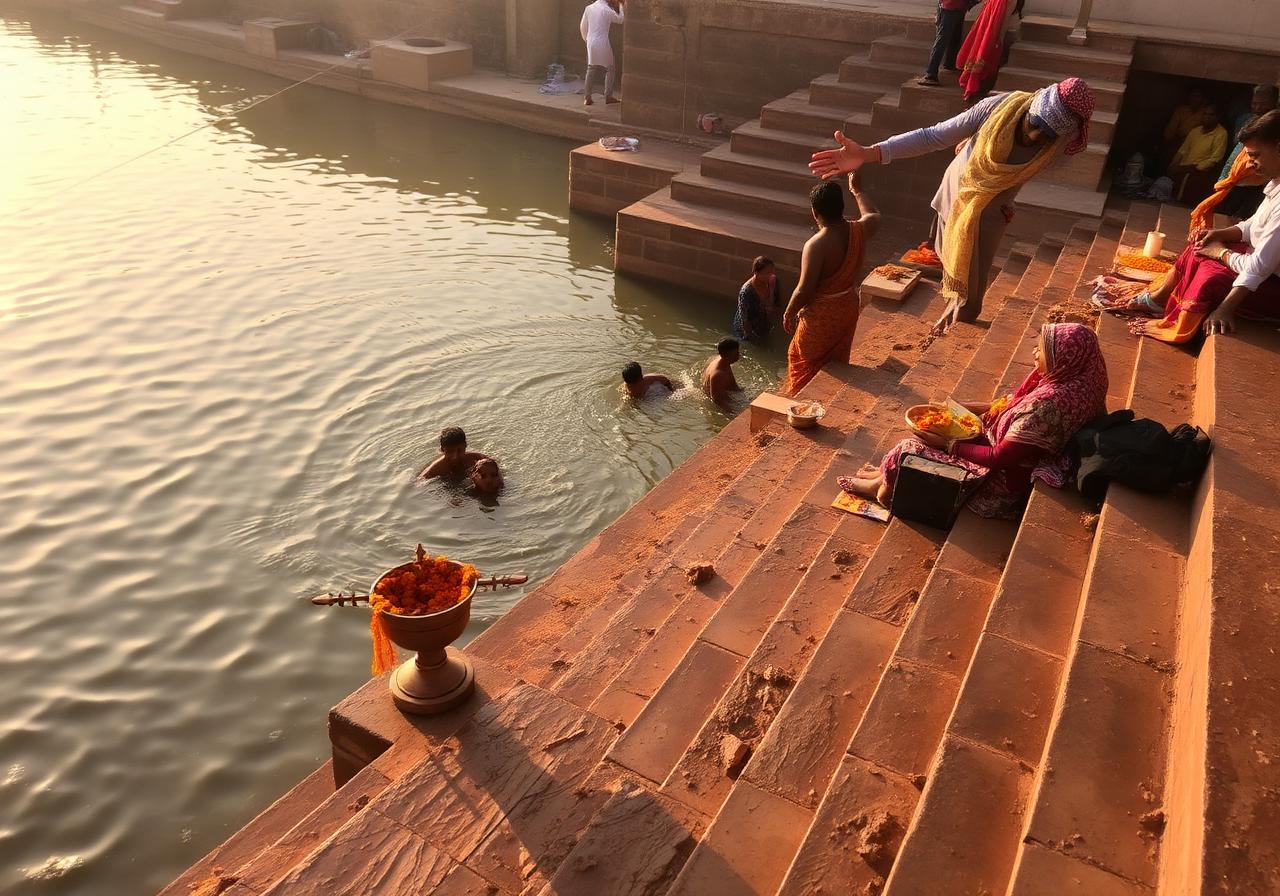
Sacred Significance
Why These Sacred Baths Are Important
For millennia, the ritual of snan has stood at the heart of Sanatan spiritual practice — a moment of surrender where flowing water washes away accumulated karma and the seeker emerges renewed.
Mythology recounts how, during the cosmic Samudra Manthan, drops of the immortal amrita fell upon four earthly sites — Nashik being one — making its waters perennially charged with divine grace.
The Godavari, born at Trimbakeshwar and revered as the Ganga of the South, converges at Ram Kund — the very spot where Lord Rama is said to have performed his ancestral rites. A dip here during Kumbh is held to liberate twelve generations of forefathers.
Pilgrim Guidelines – Do's & Don'ts
Simple practices that keep every pilgrim safe and the ghats sacred.
Do's
- Follow official advisories at all times
- Use only designated bathing areas
- Carry identification and emergency contacts
- Follow queue and crowd-management instructions
- Keep the ghats clean and dispose of waste responsibly
- Respect religious customs and traditions
Don'ts
- Enter restricted or barricaded areas
- Carry prohibited items into the bathing zone
- Push or rush in crowded areas
- Pollute the river or ghats with soap, oil or offerings
- Spread misinformation or rumours
- Ignore emergency announcements and sirens
Code of Conduct During Snan
A shared promise to keep the Mela sacred, safe and welcoming for everyone.
Respect fellow pilgrims, especially elders, women and children
Follow all instructions issued by the Mela authorities
Maintain cleanliness and personal hygiene at every ghat
Respect saints, Akharas and religious processions
Cooperate fully during security and ID verification checks
Prioritise safety during peak crowd and procession periods
Pilgrim Essential Guidance
What to Carry
Light cotton clothing, personal ID, eco-friendly soaps and dry sacks.
Best Time to Arrive
Arrive 24 hours prior to Shahi Snan dates to navigate crowd controls effectively.
Safety Guidelines
Follow the designated routes, keep children close and note the nearest help desk.
Nearby Facilities
Cloakrooms, charging areas and medical camps are available at all major ghats.
Important Advisory: Pilgrims are advised to check Live Updates and Emergency Services for latest crowd and safety information. Real-time updates are available on the Maha Kumbh Mobile App.